
Image: Wikipedia
BNN Summary
The Shiv Sena (UBT) faces a critical juncture as six Lok Sabha members skipped a crucial parliamentary meeting, prompting swift disqualification efforts. This internal strife echoes a recurring pattern in Indian politics where regional parties grapple with defections and leadership challenges, serving as a potent warning about the fragility and future of such political entities across the nation.
In-Depth Analysis
The political landscape of India is once again witnessing a familiar cycle of internal turmoil within a major regional party, with the Shiv Sena (UBT) currently at the epicenter of a deepening crisis. The situation escalated dramatically on Thursday when several Lok Sabha members from the Shiv Sena (UBT) bloc conspicuously absented themselves from a mandatory parliamentary party meeting. This significant no-show has not only exposed deep fissures within the party but has also triggered immediate and resolute action from the leadership, which is now actively pursuing the disqualification of the six absent Members of Parliament (MPs). This aggressive stance underscores the gravity of the situation, signaling that the party is unwilling to tolerate dissent or defection within its ranks at such a critical juncture.
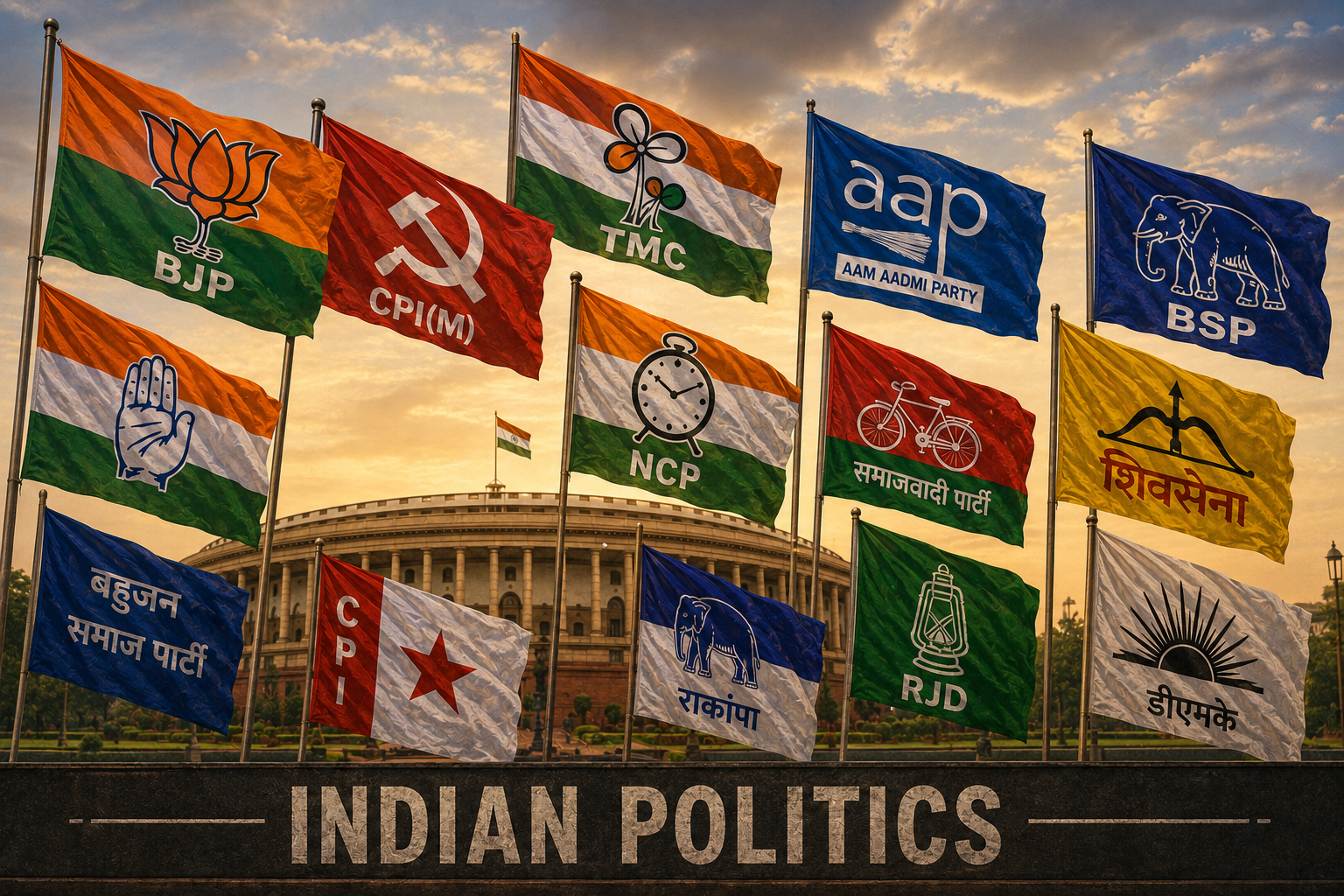
This incident is not an isolated event but rather a stark reminder of the inherent vulnerabilities faced by regional political parties in India. The current strife within the Shiv Sena (UBT) is, in many ways, a continuation of a turbulent period for the party that began with the unprecedented split between Uddhav Thackeray and Eknath Shinde. That schism, which fundamentally altered the political dynamics in Maharashtra, saw a significant faction break away, leading to a change in state leadership and the subsequent legal and political battles over the party's name and symbol. The historical evolution of the Shiv Sena, from its founding by Bal Thackeray to the recent Shinde-Thackeray division, provides a compelling template for understanding the intricate challenges and existential threats confronting regional political forces across the country.
The continuous cycle of defections and internal rebellions has become a defining characteristic of contemporary Indian politics, consistently redrawing the nation's political map. Regional parties, often built around charismatic leaders or specific regional identities and issues, are particularly susceptible to such upheavals. The reasons for these internal crises are multifaceted. They often stem from intense leadership struggles, where different factions vie for control and influence. Ideological shifts or perceived deviations from the party's core principles can also fuel discontent among members. Furthermore, the allure of power, ministerial berths, or strategic alliances with larger national parties frequently acts as a powerful incentive for legislators to switch allegiance, particularly when a regional party faces electoral setbacks or diminished prospects.
For the Shiv Sena, a party with a rich and often tumultuous history deeply intertwined with Marathi identity and regional pride, the ongoing crisis represents more than just an internal power struggle; it is an existential challenge. The party, under Bal Thackeray's formidable leadership, forged a unique identity and commanded significant loyalty. However, the post-Thackeray era has seen successive challenges to its unity and ideological coherence, culminating in the dramatic split that left the Uddhav Thackeray faction fighting to retain its legacy and political relevance. The current move to disqualify dissenting MPs highlights the party's determination to consolidate its remaining base and send a clear message that indiscipline will not be tolerated, especially as national elections loom or state political equations shift.
The ramifications of such defections and internal conflicts extend far beyond the immediate party. They weaken the collective bargaining power of regional entities, making them more susceptible to the influence of dominant national parties. This can lead to a homogenization of political discourse, where unique regional concerns might be overshadowed by national agendas. Moreover, constant instability within regional parties can erode voter confidence, creating an environment of political uncertainty that impacts governance and policy-making at the state level. The Shiv Sena's predicament, therefore, serves as a profound warning to every other regional party in India. It underscores the urgent need for robust internal democratic processes, clear succession plans, and strong ideological commitments to withstand the pressures of defection and maintain cohesion in an increasingly competitive and fluid political landscape. Parties that fail to address these fundamental vulnerabilities risk not only losing their legislative strength but also their very identity and purpose in the complex tapestry of Indian democracy.
Ultimately, the 'fight will happen on streets' sentiment expressed by the Shiv Sena (UBT) leadership in response to the absenteeism, as noted by some reports, underscores the intensely personal and public nature of these political battles. It signals a readiness to engage in a grassroots struggle to rally support and counteract the damage inflicted by internal dissent. This strategy is characteristic of many regional parties that rely heavily on cadre-based support and direct public engagement to assert their political will, especially when facing an internal existential threat. The unfolding drama within the Shiv Sena is thus not just a news story; it is a critical case study for understanding the resilience and fragility of regional politics in India.
How do you feel about this story?
Discussion
No comments yet. Be the first to share your thoughts.
Join the discussion
Sign in to share your thoughts on this story.