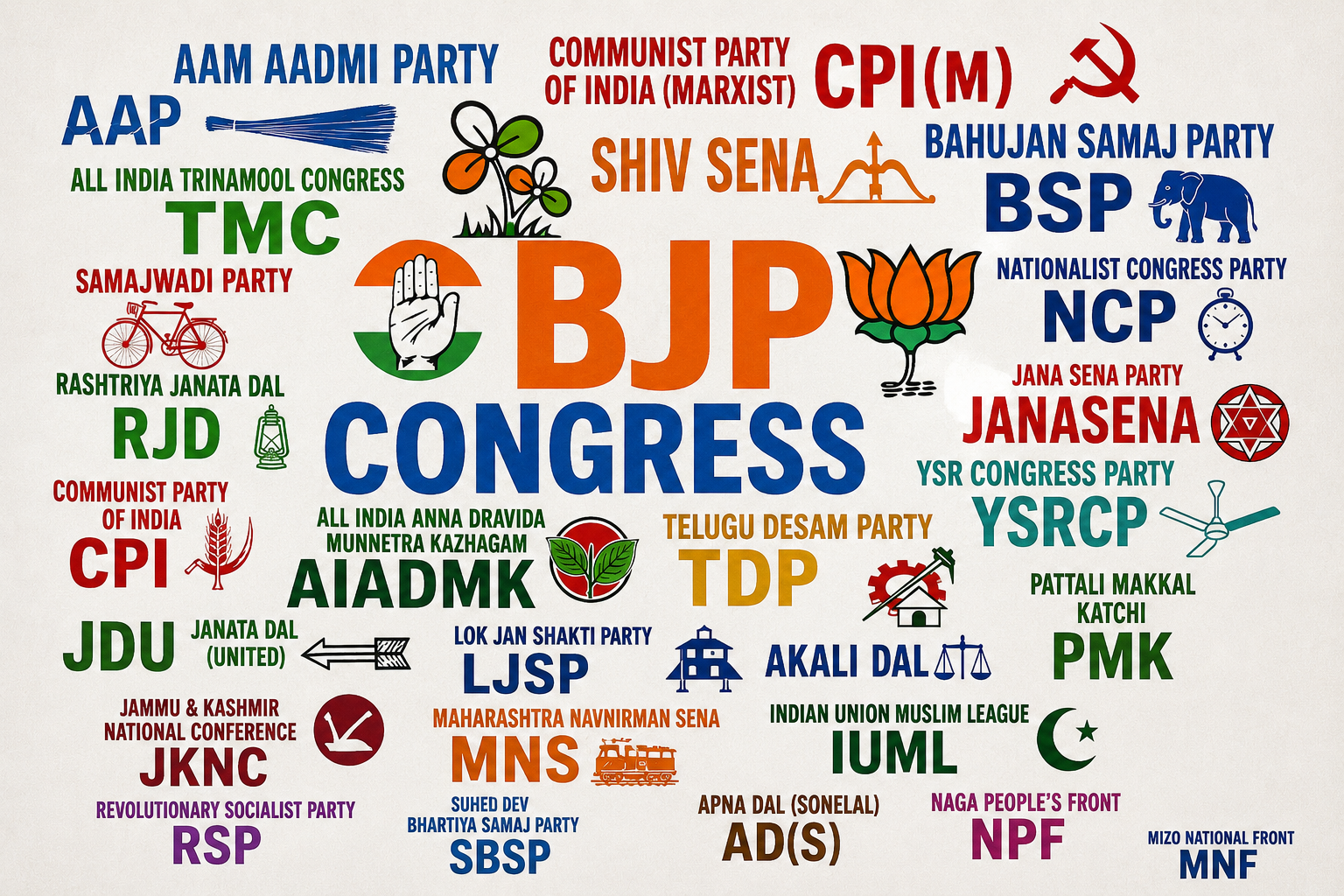

Image: Wikimedia
BNN Summary
Just 40 days after losing power in West Bengal, the Trinamool Congress is facing a severe internal crisis. Reports indicate a mass exodus of 20 MPs, along with MLAs and councillors, signaling significant unrest within the party. This rebellion puts immense pressure on Mamata Banerjee’s leadership and challenges the TMC’s long-held dominance in the state, potentially reshaping West Bengal's political future.
In-Depth Analysis
Aprofound political earthquake is currently shaking the Trinamool Congress (TMC) in West Bengal, mere weeks after the party's significant electoral setback. Sources indicate a major internal rebellion, with a staggering 20 Members of Parliament (MPs) reportedly breaking ranks. This unprecedented dissent, emerging a mere 40 days after the TMC lost power in the recent state elections, signals a profound challenge to Chief Minister Mamata Banerjee's once-unquestioned authority and the party's perceived stronghold over West Bengal's political landscape. The crisis extends beyond parliamentary representation, with a reported 'mass exodus' that includes not only MPs but also numerous Members of the Legislative Assembly (MLAs) and local councillors.
The scale of this internal strife within the TMC underscores the deep fissures that have apparently emerged in the aftermath of its electoral defeat. Such a widespread defection of elected representatives – from national parliamentarians to local civic body members – suggests a systemic erosion of faith or alignment with the party's current direction and leadership. The implications for the TMC are dire, as the departure of seasoned politicians and local strongmen can severely weaken its organisational structure at the grassroots level and its ability to mobilise support in future elections. This exodus marks a critical juncture, questioning the resilience of a party that has, for years, been synonymous with the political identity of West Bengal.
Mamata Banerjee, often referred to as 'Didi', has historically commanded immense loyalty and wielded unparalleled influence within the TMC. Her persona has been central to the party's success and its ability to connect with the masses. However, this large-scale rebellion undoubtedly places her leadership under intense scrutiny and immense pressure. The loss of 20 MPs in such a short span of time is a direct challenge to her authority and raises questions about her ability to maintain party cohesion in times of adversity. The narrative of her 'political empire unravelling' suggests that the recent electoral loss has not only stripped the party of power but has also exposed underlying fragilities and discontent that were perhaps suppressed during its tenure in government. The public perception of her once-invincible stronghold is now clearly under duress.
Several factors likely contribute to this significant rebellion. The most immediate catalyst is undoubtedly the recent loss of power, which often triggers a period of introspection, blame, and opportunism within political parties. Leaders and cadres, accustomed to the perks and influence of being in power, may feel disaffected or strategically look for new avenues when their party is relegated to the opposition benches. Furthermore, the electoral defeat might have amplified existing grievances, power struggles, or ideological differences that were previously kept under wraps. Disillusionment with the party's performance, a perceived lack of future prospects, or even the allure of joining the now-ruling party could be motivating factors for these defectors. The 'rebel leaders merging' suggests that these individuals are not merely leaving the TMC but are actively seeking new political affiliations, further solidifying the shift in West Bengal's political dynamics.
The Trinamool Congress rose to prominence largely on the back of Mamata Banerjee's fierce opposition to the long-reigning Left Front government, eventually dislodging them after decades of rule. For many years, the TMC established itself as the dominant political force, effectively consolidating anti-Left votes and building a formidable electoral machine. This history of overcoming entrenched power made the TMC's recent defeat all the more shocking, and the subsequent internal unrest highlights how quickly fortunes can turn in the volatile world of Indian politics. The party's identity was deeply intertwined with its victory and the charisma of its leader, making the current crisis a profound identity challenge.
Looking ahead, the ramifications of this mass exodus are profound. It significantly weakens the TMC's presence in the national parliament, diminishing its voice and leverage at the Centre. More critically, it creates a vacuum and uncertainty in West Bengal's political landscape. A weakened opposition party, facing internal strife, may struggle to hold the new government accountable effectively. This could lead to a less vibrant democratic discourse and potentially allow the ruling party to consolidate power further. The TMC will need to undertake a massive effort to quell dissent, rebuild party morale, and reaffirm its core ideology if it hopes to remain a formidable force in the state. The coming months will be crucial in determining whether this rebellion is a temporary setback or the beginning of a more prolonged period of decline for the Trinamool Congress.
How do you feel about this story?
Discussion
No comments yet. Be the first to share your thoughts.
Join the discussion
Sign in to share your thoughts on this story.