
Image: Wikimedia
BNN Summary
Nearly four years after Eknath Shinde's rebellion split the Shiv Sena, Uddhav Thackeray's faction now faces renewed internal strife. This emerging 'crack' within the Shiv Sena (Uddhav Balasaheb Thackeray) camp could significantly complicate the Maha Vikas Aghadi's seat-sharing negotiations and weaken the broader INDIA bloc's electoral prospects in Maharashtra. The instability risks undermining the opposition's collective efforts against the ruling alliance in the crucial state, presenting a major strategic challenge.
In-Depth Analysis
The political landscape of Maharashtra, a state pivotal to India's national electoral calculus, is once again witnessing significant churn, with the internal fissures within the Uddhav Thackeray-led Shiv Sena (Uddhav Balasaheb Thackeray) faction threatening to become a major liability for the INDIA bloc. This development comes nearly four years after the dramatic rebellion led by Eknath Shinde, which not only split the Shiv Sena but also brought down the Maha Vikas Aghadi (MVA) government, a coalition comprising the Shiv Sena (then undivided), Nationalist Congress Party (NCP), and Indian National Congress. The initial rebellion saw a significant number of Shiv Sena MLAs switch allegiance to Eknath Shinde, leading to the formation of a new government in alliance with the Bharatiya Janata Party (BJP).
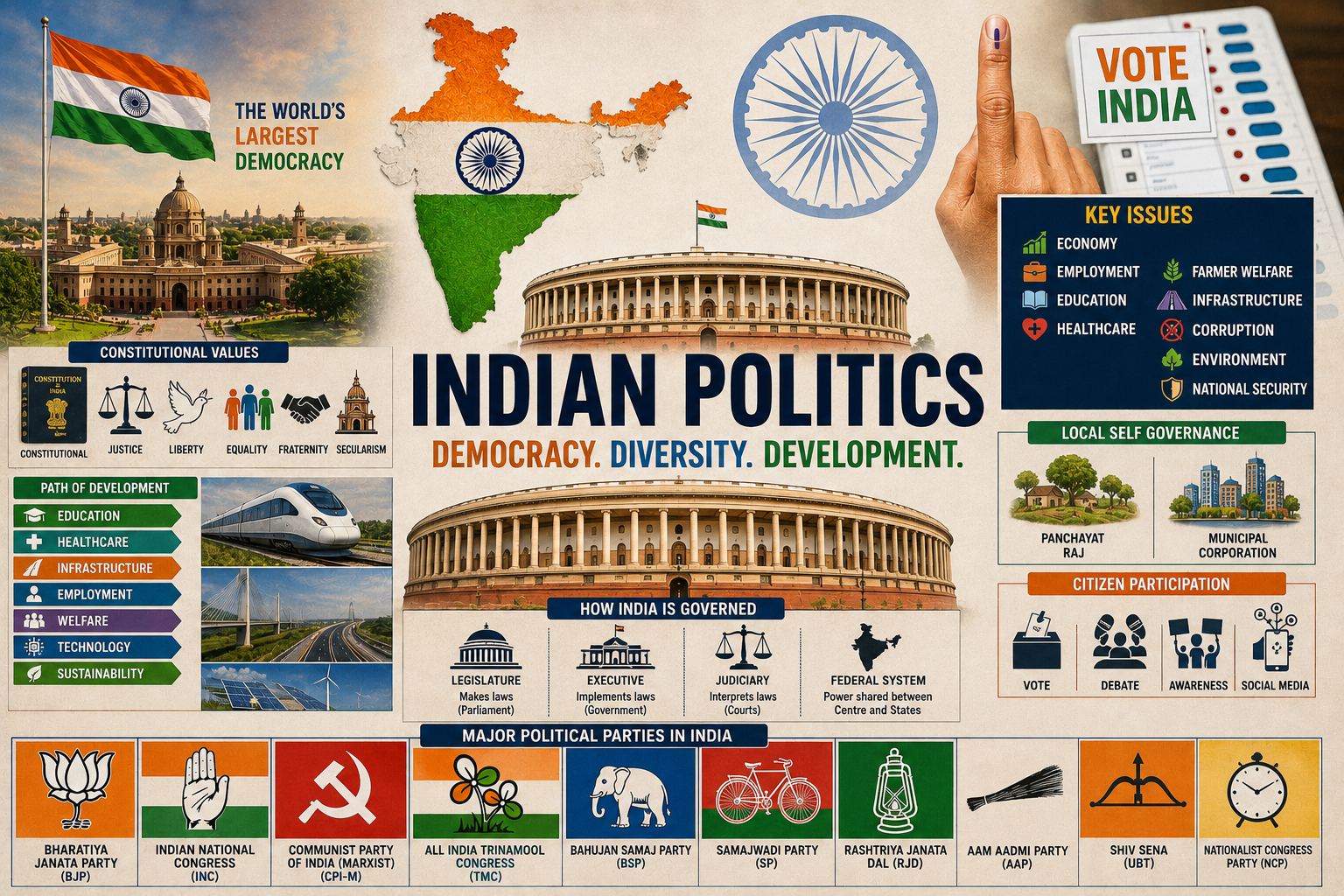
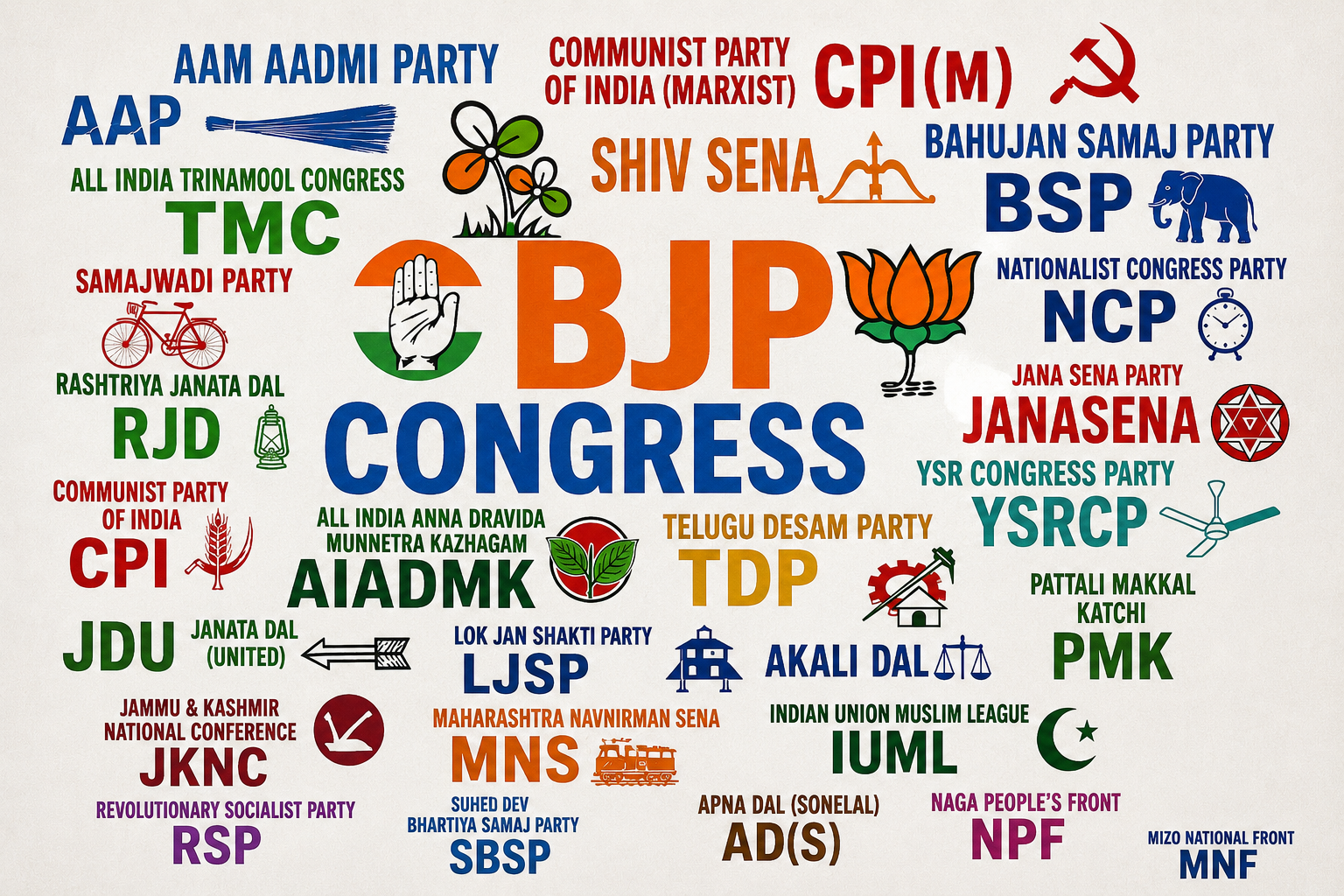
The immediate aftermath of the split was characterized by intense legal and political battles. The Election Commission of India (ECI) eventually recognized the Eknath Shinde faction as the 'real' Shiv Sena and allocated the original 'bow and arrow' party symbol to it. This decision dealt a severe blow to Uddhav Thackeray, who was left with the 'flaming torch' symbol and the arduous task of rebuilding his faction. Despite this setback, Thackeray's faction managed to maintain a considerable level of public sympathy, especially in urban strongholds and among a section of traditional Shiv Sena voters. However, recent developments indicate that Thackeray's camp is far from stable, facing the renewed prospect of internal dissent and potential defections.
Sources suggest that the 'crack' within Thackeray's faction stems from various factors, including dissatisfaction among certain leaders regarding ticket distribution, leadership style, and the perceived diminishing influence within the broader INDIA bloc. The challenge for Uddhav Thackeray is not merely to retain his flock but also to project an image of a unified and strong ally to his partners in the MVA and the INDIA bloc. Any further erosion of his faction's strength could severely compromise the INDIA bloc's strategic positioning in Maharashtra, a state that sends 48 Members of Parliament to the Lok Sabha, making it the second-largest contributor after Uttar Pradesh.
The implications for the INDIA bloc are multi-fold. Firstly, a weakened Shiv Sena (UBT) could complicate seat-sharing negotiations within the MVA, which also includes Sharad Pawar's NCP faction and the Congress. Each party, regardless of its internal health, will aim to secure a significant number of seats, and a less formidable Thackeray faction might be forced to accept fewer, potentially leading to further dissatisfaction and infighting. This internal squabbling could divert crucial energy and resources away from challenging the incumbent BJP-led alliance, giving the ruling dispensation an advantage.
Secondly, the perception of instability within a key ally could undermine the overall morale and credibility of the INDIA bloc. The very purpose of forming such a grand alliance is to present a united front against the BJP. If one of its prominent constituents is seen to be struggling with internal cohesion, it could send a signal of weakness to both voters and other potential allies. This is particularly crucial in a state like Maharashtra, where regional parties hold significant sway and can mobilize grassroots support effectively.
Thirdly, the BJP and its allies are likely to capitalize on any signs of discord within Thackeray's camp. The strategy of weakening opposition parties through defections and internal strife has been a hallmark of political maneuvering in recent years. Further defections from Shiv Sena (UBT) would not only bolster the ruling alliance's numbers but also create a narrative of a collapsing opposition, which could influence public opinion ahead of crucial elections, including the upcoming state assembly elections and the general elections.
The historical context of the Shiv Sena itself, founded by Bal Thackeray, has seen periods of internal challenges, but the current situation under Uddhav Thackeray represents an existential crisis for the faction seeking to preserve the legacy of the original party. The Eknath Shinde rebellion was unprecedented in its scale and success in usurping the party's name and symbol. Uddhav Thackeray has since attempted to brand his faction as the true inheritors of Balasaheb's ideology, focusing on Marathi pride and Hindutva, albeit with a more progressive outlook in alignment with the MVA's secular framework.
To counter these threats, Uddhav Thackeray will need to demonstrate strong leadership, address the grievances of his party members, and work closely with his MVA partners to present a united and coherent strategy. The INDIA bloc, on its part, will need to actively support Thackeray's faction and ensure that its internal issues do not derail the broader alliance's objectives. Failure to do so could mean that the 'crack' in Uddhav Thackeray's camp widens, leading to significant headaches and potentially costly setbacks for the INDIA bloc's aspirations to challenge the dominant political narrative in India. The stakes are incredibly high, not just for the survival of Shiv Sena (UBT) but for the very viability of the opposition's collective efforts to make a mark in the upcoming electoral battles. The coming months will be crucial in determining whether Thackeray can mend these cracks or if they will indeed become the INDIA bloc's next major political headache.
How do you feel about this story?
Discussion
No comments yet. Be the first to share your thoughts.
Join the discussion
Sign in to share your thoughts on this story.