BNN Summary
The little-known Nationalist Citizens Party of India (NCPI), a Registered Unrecognised Political Party based in Howrah, has unexpectedly surged into the national political discourse. This obscure outfit, which previously failed to make an electoral impact in the 2023 Tripura assembly elections and had virtually no media presence before June 14, has now become the new political home for a faction of 20 rebel Trinamool Congress (TMC) Members of Parliament, a move set to significantly alter its trajectory.
In-Depth Analysis
The Nationalist Citizens Party of India (NCPI), a political entity previously operating well outside the national spotlight, has found itself at the epicentre of a significant political development. This Howrah-based outfit, categorised as a Registered Unrecognised Political Party (RUPP) by the Election Commission of India (ECI), gained sudden and unprecedented prominence following the announcement that a faction of 20 rebel Trinamool Congress (TMC) Members of Parliament (MPs) has officially merged with it.
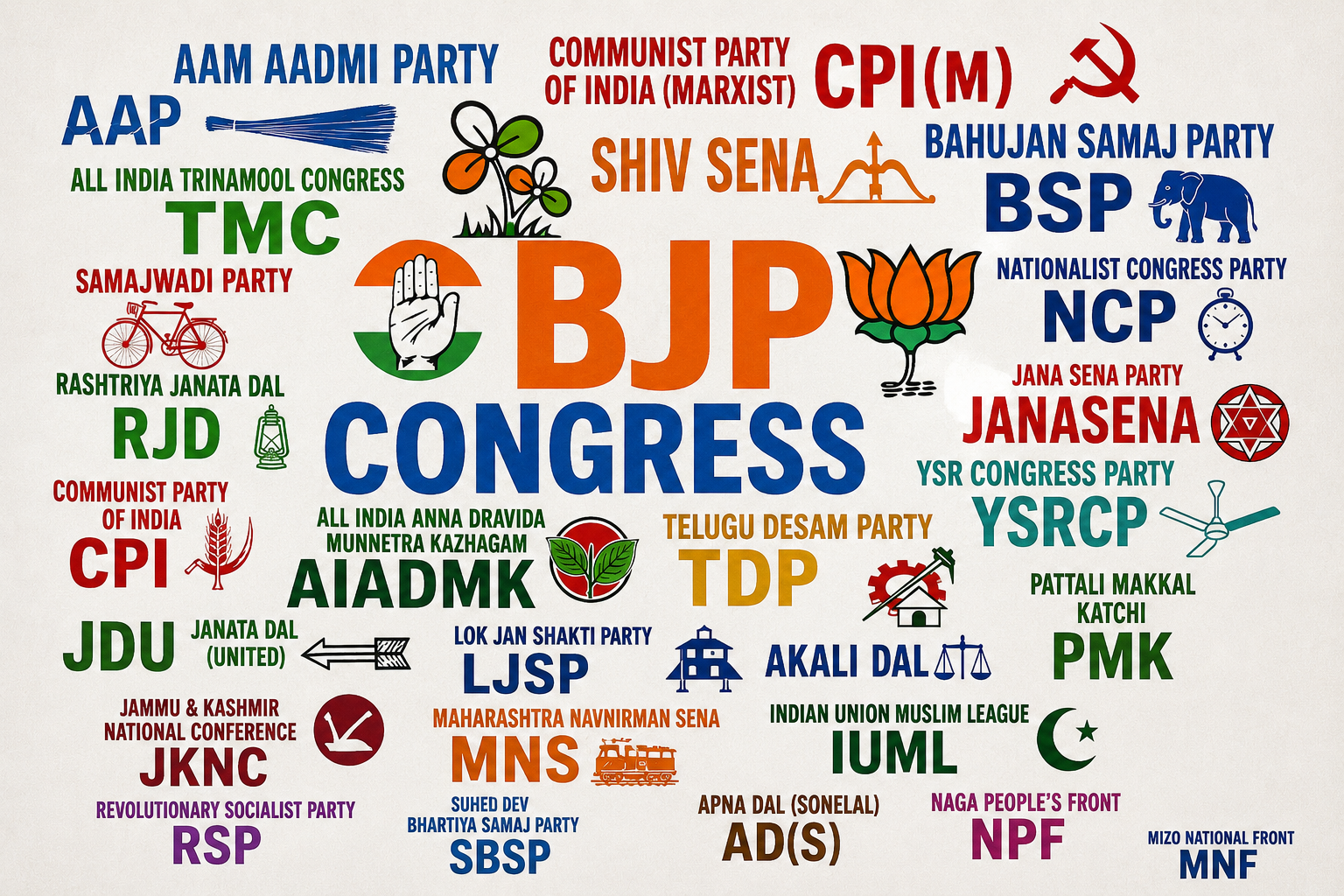
Before this merger on June 14, the NCPI was largely unknown, with virtually no media presence. Its electoral history reflects this obscurity, as evidenced by its inability to make any discernible electoral impact during the 2023 Tripura assembly elections. The party's status as an RUPP means it is registered with the ECI but has not secured sufficient vote share in state or national elections to be recognised as a 'state party' or 'national party'. Such parties face several limitations, including not having a reserved election symbol, fewer facilities for free airtime on public broadcasters, and not receiving copies of electoral rolls free of cost compared to recognised parties. Their finances are also less scrutinised, making them a common choice for smaller political groupings or protest vehicles.
This dramatic shift, wherein a substantial number of sitting MPs choose to align with such an obscure party, is highly unusual in Indian politics. The merger instantly provides the NCPI with a parliamentary presence it could only have dreamt of previously, catapulting it from the fringes of West Bengal politics onto the national stage. For a party that had no media visibility until very recently, this move marks an extraordinary transformation, offering it immediate recognition and a platform.
The motivations behind the rebel TMC MPs' decision to join the NCPI are subject to considerable speculation. Typically, dissident factions either form a new party or merge with an established, recognised entity. The choice of an obscure RUPP suggests a multi-faceted strategic calculation. One possible reason could be to navigate the complexities of India's anti-defection law. While forming a new party could expose them to disqualification under the Tenth Schedule of the Constitution, merging with an existing party, especially if it meets certain criteria for a 'merger' rather than a 'split', might offer a more legally tenable pathway to continue their political activities without immediate fear of losing their parliamentary seats. However, the intricacies of such a merger will undoubtedly be scrutinised by legal experts and the Lok Sabha Speaker's office.
Furthermore, joining an existing party, no matter how small, offers immediate structural benefits. Instead of going through the cumbersome process of registering a new party with the ECI, these MPs instantly acquire a party apparatus, albeit a nascent one. This allows them to consolidate their collective dissent against the TMC under a new banner, potentially giving them greater leverage and a unified voice. It also provides them with a ready-made platform from which to operate, articulate their views, and potentially build a new political narrative, free from the constraints and internal conflicts of their former party.
The implications for West Bengal politics, and indeed the broader national landscape, are significant. The TMC, already grappling with internal fissures and external pressures, will likely view this development as a direct challenge to its authority and unity. The defection of 20 MPs represents a considerable loss of parliamentary strength and signals a deeper level of disaffection within its ranks. This move could also inspire other disgruntled politicians to explore similar avenues, potentially leading to further realignments and fragmentation within major political parties across the country.
For the NCPI, the challenge now lies in converting this sudden spotlight into sustainable political capital. With 20 MPs, the party will gain significant media attention, a heightened profile, and potentially access to resources that were previously unimaginable. However, the transition from an obscure local outfit to a party with national parliamentary representation will require substantial organisational strengthening, clear ideological articulation, and effective leadership to manage its newly expanded and diverse membership. The question remains whether the NCPI can evolve beyond being merely a refuge for defectors and establish itself as a credible political force in its own right.
In essence, the merger of 20 rebel TMC MPs with the Nationalist Citizens Party of India is a remarkable political event, underscoring the dynamic and often unpredictable nature of Indian democracy. It transforms an unrecognised entity into a visible player, reshuffles political equations, and opens a new chapter for both the defecting MPs and their new political home. The coming months will reveal whether this calculated gamble by the rebel faction, and the NCPI's unexpected rise, will yield the desired political dividends.
How do you feel about this story?
Discussion
No comments yet. Be the first to share your thoughts.
Join the discussion
Sign in to share your thoughts on this story.