
Image: Wikimedia
BNN Summary
Tamil Nadu Chief Minister M.K. Stalin's recent birthday wishes to Congress leader Rahul Gandhi, followed by a warm acknowledgment from Gandhi, have ignited speculation about a deepening bond between the Dravida Munnetra Kazhagam (DMK) and the Indian National Congress. This exchange, coming amidst crucial national political maneuvering, suggests a reinforced commitment to their shared principles and the broader INDIA bloc agenda, potentially influencing future electoral strategies.
In-Depth Analysis
The political landscape of India is often characterized by nuanced gestures and carefully worded public statements, and the recent exchange between Tamil Nadu Chief Minister M.K. Stalin and Congress stalwart Rahul Gandhi is a prime example. On the occasion of Rahul Gandhi's birthday, Chief Minister Stalin extended his greetings, wishing the Congress leader 'good health and happiness'. This seemingly simple act of goodwill, however, has reverberated across political circles, sparking considerable discussion about the evolving dynamics between two pivotal members of the Indian National Developmental Inclusive Alliance (INDIA) bloc: the Dravida Munnetra Kazhagam (DMK) and the Indian National Congress.
Rahul Gandhi’s response was notably warm and appreciative. He thanked the DMK leader, emphasizing the 'shared principles' that bind the two parties. This mutual acknowledgment of common ground goes beyond mere courtesies, signaling a potential thaw or, more accurately, a reinforcement of the alliance’s foundations at a time when opposition unity is deemed paramount. The DMK, a regional powerhouse in Tamil Nadu, and the Congress, a national party with a significant historical footprint, have historically shared a complex relationship, marked by periods of robust alliance and occasional friction.
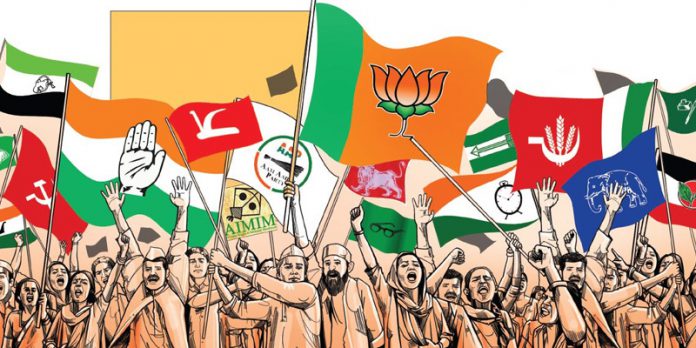
Historically, the DMK and Congress have been allies in several general elections and state assembly polls in Tamil Nadu. Their alliance has often proven electorally potent, leveraging the DMK's formidable regional presence and the Congress's national appeal. However, there have also been instances of strained relations and independent political pathways. The current context, defined by the formation of the INDIA bloc to counter the ruling Bharatiya Janata Party (BJP), places an unprecedented premium on the cohesion of its constituent members. In this scenario, expressions of solidarity, particularly between leaders of significant regional and national stature, are meticulously observed and analyzed.
The 'shared principles' alluded to by Rahul Gandhi likely encompass a spectrum of ideological commitments that form the bedrock of the INDIA alliance. These typically include secularism, federalism, social justice, and an emphasis on inclusive growth, often contrasted with the perceived majoritarian and centralized policies of the incumbent government. For the DMK, safeguarding regional autonomy and promoting Dravidian ideological tenets are crucial, concerns that often find resonance with the Congress's broader commitment to a pluralistic and diverse India. The unity between these two parties is not just a matter of electoral arithmetic but also one of ideological convergence against a common political adversary.
Tamil Nadu, a state where the DMK holds considerable sway, is a critical battleground for national politics. The DMK-Congress alliance has been instrumental in the state's political landscape, successfully fending off challenges from other parties. A strengthened bond between Chief Minister Stalin and Rahul Gandhi could translate into more seamless coordination during election campaigns, including seat-sharing negotiations and joint public outreach efforts. This strategic alignment is vital for the INDIA bloc's ambitions, as strong performances in states like Tamil Nadu are essential to bolster its overall national tally. The perceived unity emanating from this exchange could also send a powerful message to other regional parties within the INDIA bloc, reinforcing the notion of a cohesive and functional alliance.
Looking ahead, such interactions are not isolated incidents but rather part of a larger, ongoing effort to solidify opposition unity. As various state and national elections loom, the efficacy of the INDIA bloc will largely depend on the ability of its diverse constituents to work together effectively. The public display of camaraderie between M.K. Stalin and Rahul Gandhi serves as a positive indicator, suggesting that despite potential internal differences, the commitment to a united front remains strong. This political nicety, therefore, transcends a mere birthday wish; it is a significant signal in the intricate dance of Indian alliance politics, underscoring the ongoing efforts to forge a formidable challenge to the established order.
How do you feel about this story?
Discussion
No comments yet. Be the first to share your thoughts.
Join the discussion
Sign in to share your thoughts on this story.