
BNN Summary
Asaduddin Owaisi's All India Majlis-e-Ittehadul Muslimeen (AIMIM) continues to operate independently, remaining outside the INDIA bloc despite shared foundational principles. This article delves into the multifaceted reasons behind this strategic distance, exploring whether it stems from political calculations, concerns over secular alignment, or complex electoral dynamics, all shaping the broader opposition landscape ahead of crucial elections.
In-Depth Analysis
In the intricate tapestry of Indian politics, the decision of the All India Majlis-e-Ittehadul Muslimeen (AIMIM), led by its prominent figure Asaduddin Owaisi, to remain outside the formidable INDIA bloc continues to be a subject of intense scrutiny and debate. Despite the apparent shared constitutional claims and a common adversary in the ruling Bharatiya Janata Party (BJP), the Hyderabad-based party has maintained its distinct identity, prompting observers to question whether this is a matter of political strategy, secular anxiety, or complex electoral calculations.
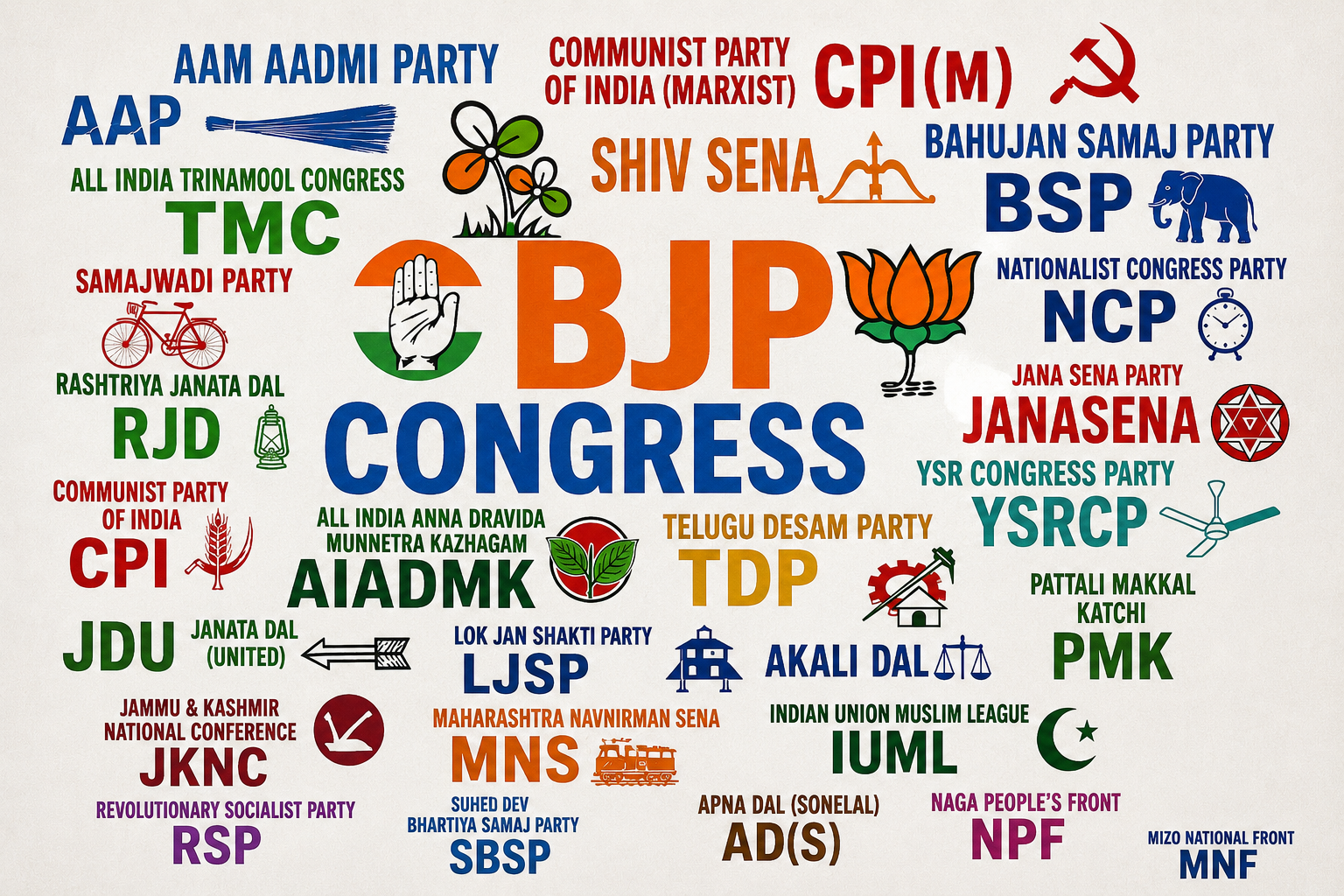
The INDIA bloc, a coalition of diverse opposition parties, was primarily formed with the overarching objective of consolidating anti-incumbency votes and presenting a united front against the BJP. Its strength lies in its numerical potential, aiming to prevent the fragmentation of opposition votes that has often benefited the incumbent in past elections. The bloc encompasses a wide ideological spectrum, from socialist parties to regional powerhouses, all striving for a common goal despite their inherent differences. The absence of AIMIM from this collective raises pertinent questions about the bloc's inclusiveness and AIMIM's own strategic positioning.
Asaduddin Owaisi's AIMIM has carved out a unique space in Indian politics, primarily advocating for the rights and representation of Muslims and other marginalized communities. While its strongest base remains in Telangana, the party has expanded its footprint into states like Maharashtra, Bihar, Uttar Pradesh, and West Bengal, often acting as a significant player in constituencies with substantial Muslim populations. This expansion, however, has frequently led to accusations from other opposition parties that AIMIM acts as a 'vote-splitter,' inadvertently aiding the BJP by dividing the Muslim vote, which traditionally leans towards secular parties. Owaisi vehemently refutes these claims, asserting that his party merely provides a voice to a community often taken for granted by established 'secular' parties.
The reasons for AIMIM's sustained distance from the INDIA bloc are multi-layered. One prominent theory points to political strategy. For the INDIA bloc, integrating AIMIM could be seen as a double-edged sword. While it might consolidate Muslim votes in some pockets, it could simultaneously alienate a section of Hindu voters, particularly in electorally crucial swing states. Many mainstream parties within the INDIA bloc, conscious of the BJP's potent narrative of 'appeasement politics,' might be wary of associating with a party often portrayed by its critics as overtly 'Muslim-centric.' This fear of communal polarization by the opposition itself could be a deterrent.
Conversely, AIMIM's independent stance allows Owaisi to maintain a distinct political identity and a sharp critical edge against all parties, including those within the INDIA bloc, when their policies or actions do not align with his party's stated objectives. Joining a larger alliance might dilute AIMIM's unique voice and force compromises on its core agenda, which Owaisi might perceive as a strategic disadvantage. His independent positioning empowers him to negotiate from a position of strength, albeit alone, and avoids being subsumed into a larger, potentially less responsive, coalition structure.
Another factor is what has been termed 'secular anxiety.' This anxiety can be felt on both sides. Within the INDIA bloc, there might be apprehension that AIMIM's inclusion could undermine their broader secular credentials in the eyes of the wider electorate. They might fear that the BJP would capitalize on such an alliance to further its narrative of opposition parties engaging in identity-based politics rather than focusing on broader national issues. From AIMIM's perspective, there might be a skepticism regarding the true 'secularism' of some INDIA bloc constituents, especially regional parties that have, at various points, shown pragmatic flexibility in their alliances or have been perceived as not adequately addressing minority concerns. Owaisi has often criticized mainstream 'secular' parties for what he views as their superficial commitment to minority issues.
The electoral implications are arguably the most tangible aspect of this separation. In a multi-cornered contest, even a small percentage of votes garnered by AIMIM can significantly alter outcomes, particularly in constituencies where victory margins are thin. For instance, in Bihar assembly elections or certain municipal polls in Maharashtra, AIMIM's candidates have, at times, impacted the prospects of other opposition parties. This leads to a perception among some INDIA bloc members that AIMIM acts as a spoiler, rather than a constructive ally. However, AIMIM counters this by stating they are merely exercising their democratic right and offering voters an alternative, rather than intentionally splitting votes. Their argument is that if mainstream parties genuinely represented the interests of all communities, there would be no need for parties like AIMIM.
Ultimately, Owaisi's decision to keep AIMIM outside the INDIA bloc in 2026 appears to be a calculated gamble, balancing the potential gains of alliance politics against the perceived benefits of independent political action. It underscores the complex dynamics within India's opposition landscape, where ideological alignment, electoral pragmatism, and the politics of identity continue to shape strategic decisions, often preventing a truly unified front against a powerful incumbent government. The long-term impact of this non-alignment on both AIMIM's growth and the INDIA bloc's overall effectiveness remains a critical question as the nation approaches future electoral battles.
How do you feel about this story?
Discussion
No comments yet. Be the first to share your thoughts.
Join the discussion
Sign in to share your thoughts on this story.