BNN Summary
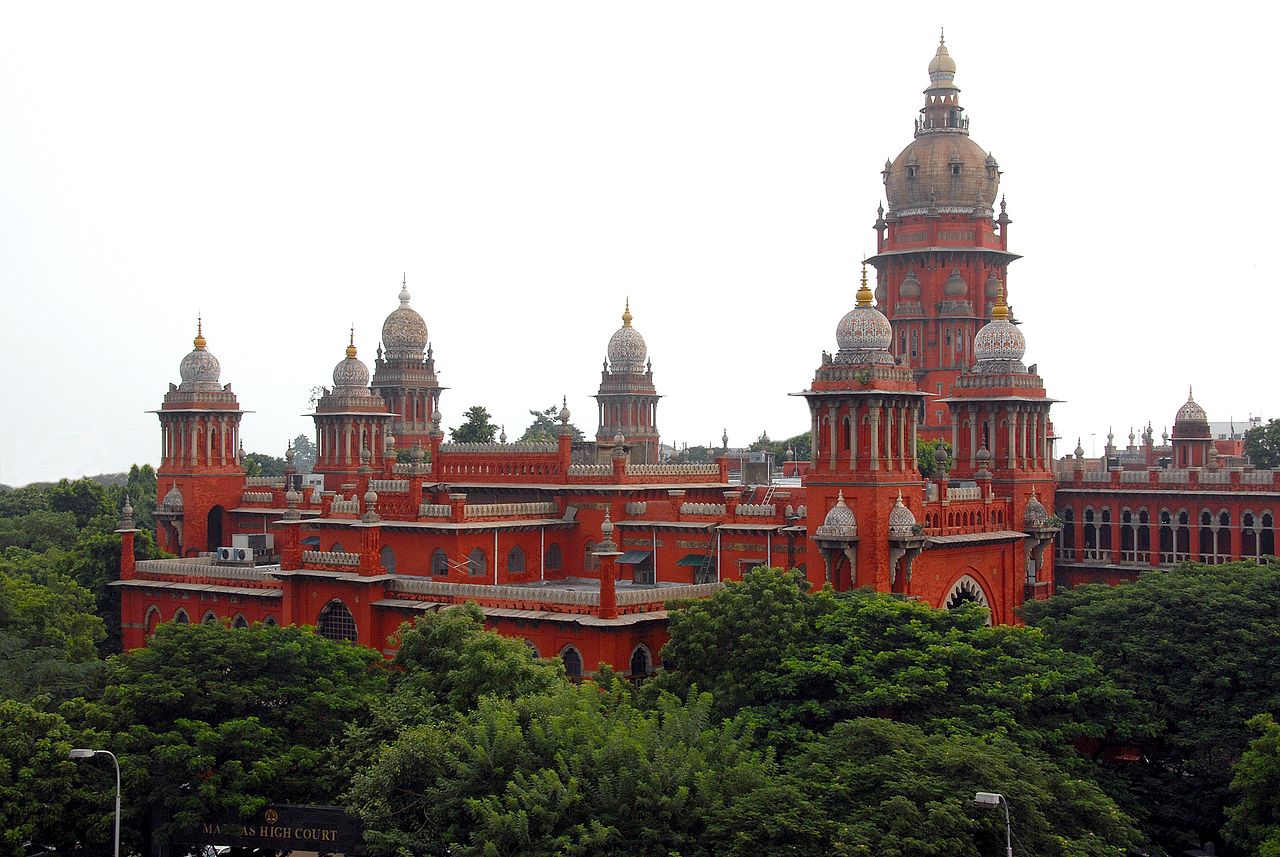
In a rare and significant ruling, the Madras High Court has overturned the 2016 Radhapuram assembly election result a decade later, declaring DMK's M. Appavu the rightful winner over AIADMK's I.S. Inbadurai by a narrow margin of 109 votes. The landmark decision on Wednesday brings a long-drawn legal battle to a close, altering legislative records and raising questions about electoral justice and judicial timelines in India.
In-Depth Analysis
In a momentous and exceedingly rare judgment, the Madras High Court on Wednesday, nearly ten years after the fact, nullified the election of I.S. Inbadurai of the All India Anna Dravida Munnetra Kazhagam (AIADMK) from the Radhapuram constituency in the 2016 Tamil Nadu Assembly polls. The court's decision, delivered a full decade after the original declaration of results, has now officially declared M. Appavu of the Dravida Munnetra Kazhagam (DMK) as the rightful winner of that hotly contested election. This ruling brings to an end a protracted legal battle that has kept the electoral outcome of Radhapuram in a state of flux for an unprecedented period.
The 2016 Tamil Nadu Assembly elections saw a fierce contest across the state, and the Radhapuram constituency was no exception. Following the initial vote count, I.S. Inbadurai was declared the victor, a result that was immediately challenged by M. Appavu, who subsequently filed an election petition citing various irregularities in the counting process. The petition initiated a lengthy judicial review, scrutinizing the intricate details of the ballot tabulation and adherence to electoral rules. For an entire decade, the legal proceedings unfolded, highlighting the often-arduous and time-consuming nature of election dispute resolutions within the Indian judicial system.
The Madras High Court's final verdict meticulously re-evaluated the evidence presented over these years. The court's findings ultimately determined that, upon a correct and proper accounting of the votes, M. Appavu had indeed secured a majority, albeit a slender one. The official declaration now states that Appavu triumphed over Inbadurai by a margin of merely 109 votes. This narrow difference underscores the intensity of the original contest and the critical importance of every single vote in a democratic election. The court's decision effectively rewrites a segment of the legislative history of Tamil Nadu for the period following the 2016 elections.
The implications of such a belated judgment are profound and far-reaching. For the Radhapuram constituency, it means that the representative who served them for a significant portion of two legislative terms has now been deemed to have been improperly elected. This raises complex questions about the legitimacy of the decisions made, and the representation provided, by Mr. Inbadurai during his tenure. For M. Appavu, the declaration comes as a vindication after a decade-long struggle, affirming his rightful claim to the electoral victory. However, the timing also means that his opportunity to serve the constituency during that specific legislative period has passed, underscoring the adage 'justice delayed is justice denied,' even when justice is eventually served.
From a broader perspective, this judgment serves as a powerful, albeit delayed, affirmation of the judiciary's role in upholding electoral integrity. It reinforces the principle that election outcomes, even after their official declaration, are subject to stringent judicial review to ensure fairness and adherence to democratic principles. The case also brings into sharp focus the need for more efficient and expedited processes for resolving election petitions, as a decade-long delay can have significant consequences for both the elected representatives and the electorate they serve. The legal and political ramifications of this extraordinary ruling are expected to be discussed and debated in legal and political circles across Tamil Nadu and beyond, potentially influencing future discussions on electoral reforms and judicial efficiency in handling such sensitive cases. This decision by the Madras High Court is not just about a single constituency's past; it's a testament to the enduring, albeit sometimes slow, march of electoral justice." "imageDescription": "Indian courtroom justice symbol
How do you feel about this story?