
BNN Summary
India's education minister Dharmendra Pradhan has stepped down following weeks of nationwide protests led by the 'Cockroach' movement. The demonstrators, who utilized the unique name to symbolize resilience against the establishment, successfully pressured the government to address widespread allegations of examination paper leaks and systemic irregularities within the National Testing Agency. The protesters have officially agreed to cease their demonstrations following the resignation and subsequent government assurances regarding systemic reforms.
In-Depth Analysis
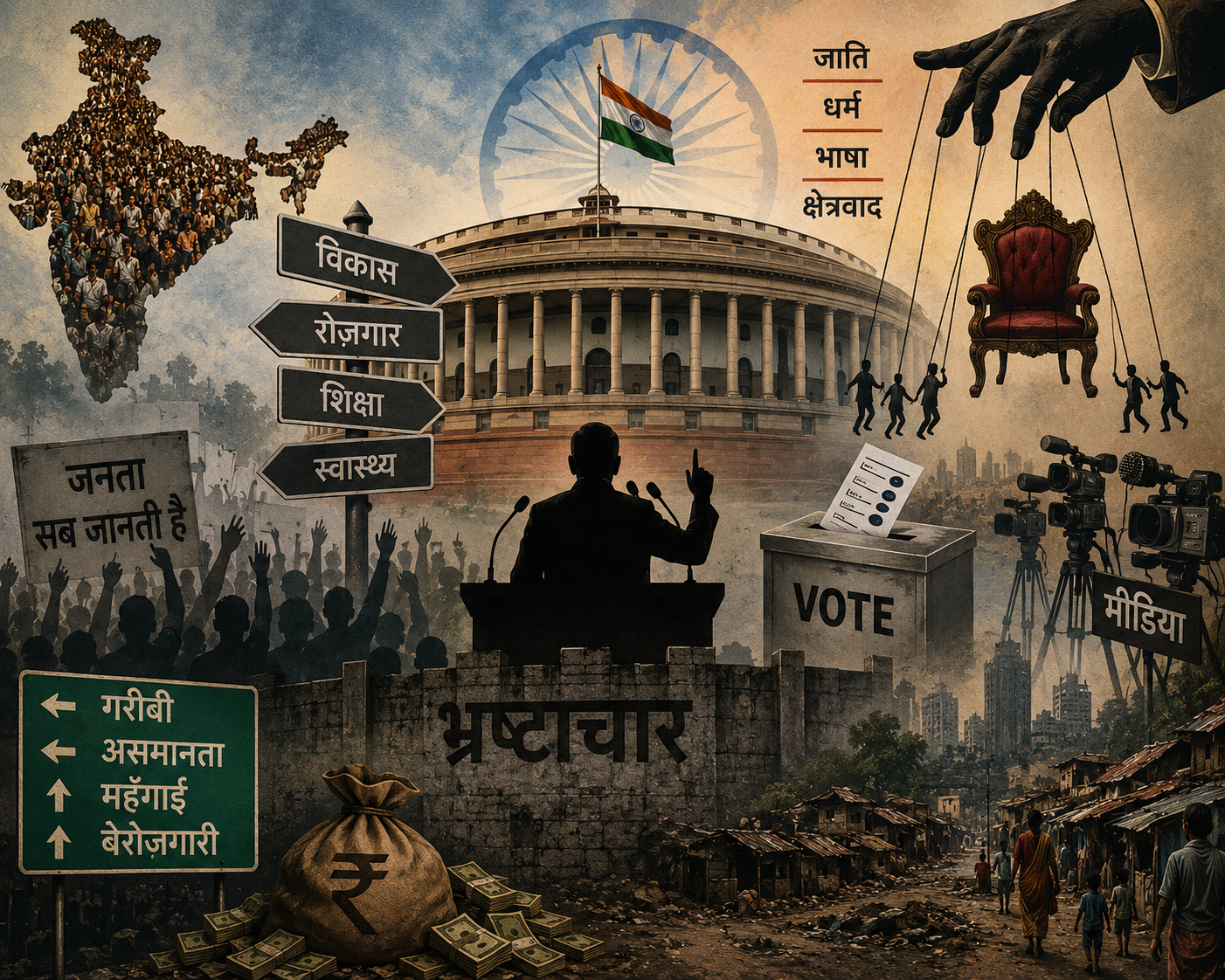
In a significant development that marks a watershed moment for student activism in India, Union Education Minister Dharmendra Pradhan has announced his resignation. This decision follows an extended period of volatile protests spearheaded by the youth-led collective known as the 'Cockroach' movement. The resignation comes after weeks of mounting public pressure, triggered by severe allegations of exam paper leaks, deep-seated corruption, and operational failures within the National Testing Agency (NTA), the body responsible for conducting high-stakes competitive examinations.
The Rise of the 'Cockroach' Movement
The movement, which adopted the unorthodox moniker of 'Cockroach', aimed to symbolize the stubbornness and resilience of Indian students who refuse to be crushed by a system they view as broken. According to spokespeople from the group, the name represents the idea that no matter how much the administration attempts to ignore or suppress their grievances, the youth will continue to emerge, survive, and demand accountability. The group gained national prominence by organizing coordinated sit-ins, digital campaigns, and large-scale public demonstrations across major academic hubs, including New Delhi, Rajasthan, and Uttar Pradesh.
Escalation and Government Response
The protests reached a fever pitch following reports that the National Eligibility-cum-Entrance Test (NEET) and other pivotal entrance exams were compromised. Students and parents alike expressed their outrage over the lack of transparency in the testing process, which determines the future of millions of aspiring professionals. As the demonstrations grew, the government initially attempted to dismiss the claims, but the visual of thousands of students mobilizing under the 'Cockroach' banner became impossible to ignore.
In his formal resignation letter submitted to Prime Minister Narendra Modi, Pradhan stated that he did not want 'anti-national forces' to take advantage of the unrest, suggesting that the protest had been infiltrated by political elements seeking to destabilize the central administration. However, for the students, the resignation is seen as a direct consequence of their collective voice and a testament to the efficacy of sustained, peaceful public agitation.
Moving Toward Reform
Following the minister's announcement, the leaders of the movement confirmed that they have reached a tentative agreement with government representatives to end the ongoing sit-ins. This breakthrough came after several rounds of tense negotiations aimed at addressing the systemic issues within the NTA. The government has signaled a commitment to restructuring the examination framework to prevent future leaks and to ensure that the testing process is meritocratic and transparent.
'We have achieved our primary goal of removing the figurehead responsible for this failing system,' said a student representative from the movement. 'However, our eyes are now on the long-term changes. We are not just fighting for a resignation; we are fighting for the integrity of our futures.'
As the dust settles, the 'Cockroach' movement has effectively set a new precedent for student power in India. The resignation serves as a stark reminder to policymakers that the frustration of the youth, when organized and articulated clearly, can reshape the political landscape. The focus now shifts to whether the upcoming administration will be able to implement the structural reforms necessary to regain the trust of India's student population.
How do you feel about this story?
Discussion
No comments yet. Be the first to share your thoughts.
Join the discussion
Sign in to share your thoughts on this story.