BNN Summary
Union Minister of State for Railways and Food Processing Industries, Ravneet Singh Bittu, has officially resigned from his cabinet post. President Droupadi Murmu has formally accepted his resignation, sparking speculation about his potential role in the upcoming Punjab assembly elections.
In-Depth Analysis
In a significant development within the Indian political landscape, Ravneet Singh Bittu, the Union Minister of State for Railways and Food Processing Industries, has officially stepped down from his position. The resignation, which was submitted on July 24, has been formally accepted by the President of India, Droupadi Murmu, as per official communications from the Rashtrapati Bhavan.
Background of the Resignation
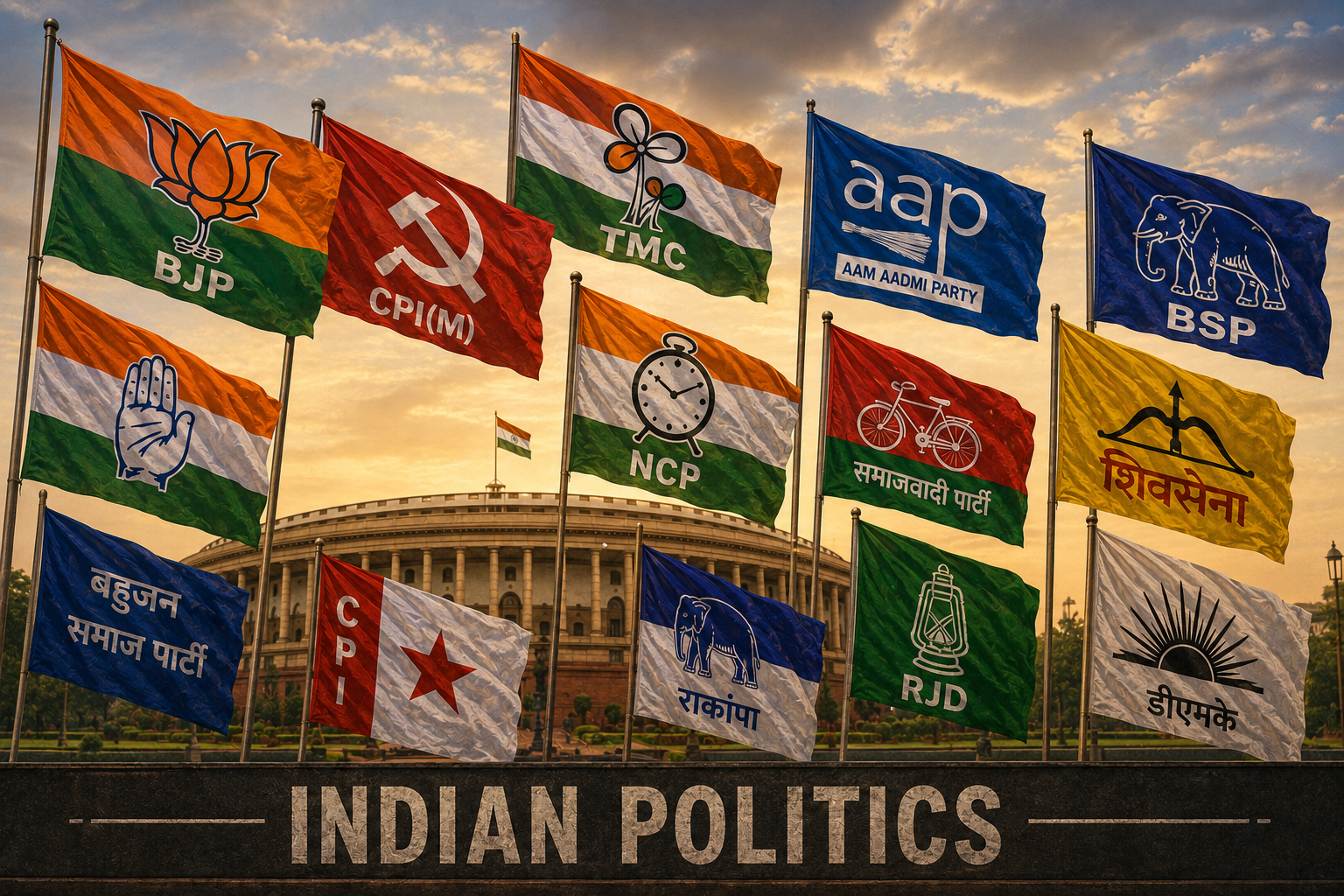
Ravneet Singh Bittu, a prominent leader who transitioned to the Bharatiya Janata Party (BJP) from the Indian National Congress, had been serving as a Minister of State in the current Union government. His departure comes amidst intense political maneuvering as various parties begin to realign their strategies for the upcoming state assembly elections. While his ministerial tenure was relatively brief, his presence in the Union Council of Ministers was seen as a strategic move by the BJP to strengthen its foothold in the Punjab region.
Implications for Punjab Politics
Political analysts suggest that the resignation of Bittu is not merely an administrative exit but a tactical withdrawal designed to focus on state-level politics. With Punjab assembly elections on the horizon, the BJP is keen to consolidate its influence in a state where it has historically played a peripheral role. By stepping down from his federal duties, Bittu is expected to dedicate his full attention to grassroots campaigning and party organization within Punjab.
Key observers point to the following factors influencing this decision:
- Strategic Focus: Bittu is anticipated to spearhead the BJP's electoral campaign in Punjab, a state currently governed by the Aam Aadmi Party (AAP).
- Consolidating Support: The move allows the BJP to leverage Bittu's experience as a former parliamentarian to engage with local issues more directly.
- Internal Restructuring: This resignation might herald a broader reshuffle within the party's regional leadership structure to better reflect the changing political dynamics.
Official Protocol and Acceptance
The formal process involved the submission of the resignation to the Union government, followed by the requisite approval from President Droupadi Murmu. The notification released by the Rashtrapati Bhavan confirmed that the President accepted his resignation from his portfolios as the Minister of State in the Ministry of Railways and the Ministry of Food Processing Industries, effective immediately. Following the protocol, the portfolios held by Bittu are expected to be redistributed among the existing members of the council of ministers.
Future Outlook
As the political temperature in Punjab rises, the departure of Bittu from the Union cabinet signals the commencement of high-stakes campaigning. While the official reasons remain aligned with administrative protocol, the timing of the resignation serves as a clear indicator of the BJP's prioritization of state-level gains. It remains to be seen how the opposition parties will respond to this shift and whether Bittu can successfully translate his federal experience into tangible electoral gains for his party in the upcoming polls.
How do you feel about this story?
Discussion
No comments yet. Be the first to share your thoughts.
Join the discussion
Sign in to share your thoughts on this story.