
Image: Wikipedia
BNN Summary
Lok Sabha Speaker Om Birla is managing a turbulent Monsoon Session as opposition members stage intense protests over the NEET examination paper leak, leading to repeated house adjournments and heated exchanges.
In-Depth Analysis
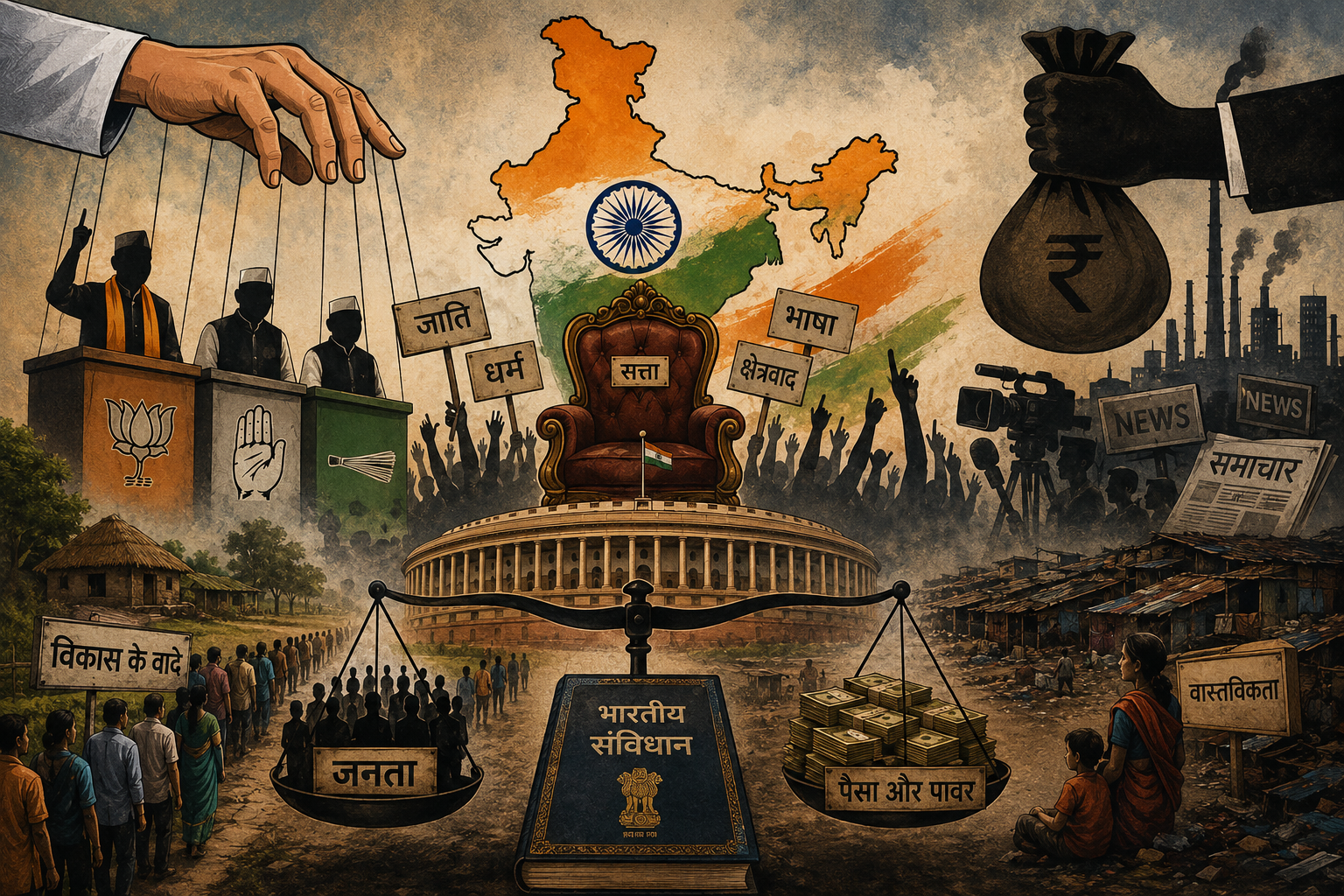
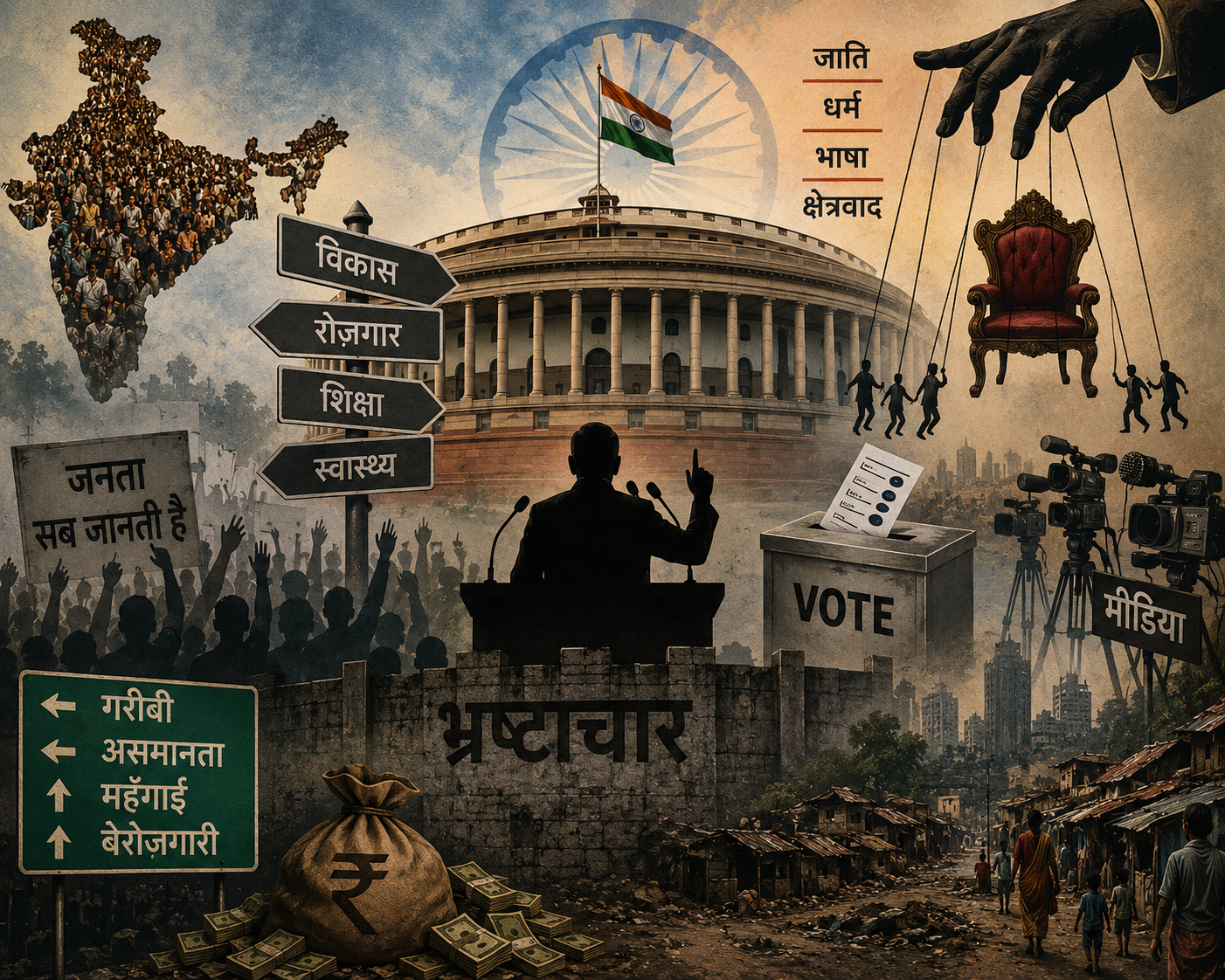
The Monsoon Session of the Indian Parliament has commenced under a cloud of intense political friction, with Lok Sabha Speaker Om Birla finding himself at the center of a volatile legislative environment. As the presiding officer of the Lower House, Birla is tasked with maintaining decorum while the opposition parties mount a ferocious campaign against the government regarding the recent NEET (National Eligibility cum Entrance Test) paper leak controversy. This ongoing session has been characterized by significant disruptions, with the Speaker forced to adjourn proceedings repeatedly as members of the opposition rushed into the 'Well' of the House to register their protest.
The NEET Controversy and Legislative Deadlock
The primary driver of the current legislative gridlock is the alleged mismanagement and systemic failure surrounding the NEET examination, a critical gateway for thousands of medical aspirants across India. Opposition members have demanded an urgent, dedicated discussion on the floor of the House to address the anxieties of students and parents nationwide. The atmosphere inside the Lok Sabha turned hostile as members chanted slogans and displayed placards, effectively bringing the legislative machinery to a standstill. Speaker Om Birla, known for his firm approach to parliamentary discipline, has struggled to contain the unruly environment, leading to multiple adjournments as the House failed to reach a quorum for standard operational tasks.
Speaker Birla’s Stance on House Decorum
During recent proceedings, Om Birla has faced criticism from both sides of the aisle. While the Treasury benches expect the Speaker to strictly enforce the rules of conduct and silence the protests, the opposition argues that their actions are necessary to force accountability on an issue of national significance. In recent clips from the floor, Birla was heard addressing the unruly behavior, warning members that they would not be permitted to dictate the terms of the House through disruptive tactics. His insistence on following established parliamentary procedure has put him in direct conflict with leaders of the opposition who feel their voices are being muffled by the government-backed majority.
The Challenge of Parliamentary Governance
The Monsoon Session is traditionally a period for significant legislative activity, including the introduction and debate of crucial bills and the Union Budget discussions. However, the intensity of the current protests threatens to derail this agenda. Parliamentary experts suggest that the Speaker plays an essential role as the neutral arbiter of the House, a position that becomes exponentially harder to maintain when the intensity of political polarization reaches such heights. Birla must now navigate a narrow path: ensuring the rights of the minority opposition are heard while simultaneously upholding the sanctity of the parliamentary process as mandated by the Constitution of India.
As the session progresses, the attention remains firmly fixed on whether the government will concede to the demands for a structured debate on the NEET issue or if the Speaker will be forced to employ more stringent measures to restore order. For Om Birla, the coming days will be a testament to his ability to manage one of the most prestigious yet challenging roles in Indian democracy, as he balances the competing interests of a volatile legislature.
How do you feel about this story?
Discussion
No comments yet. Be the first to share your thoughts.
Join the discussion
Sign in to share your thoughts on this story.