BNN Summary
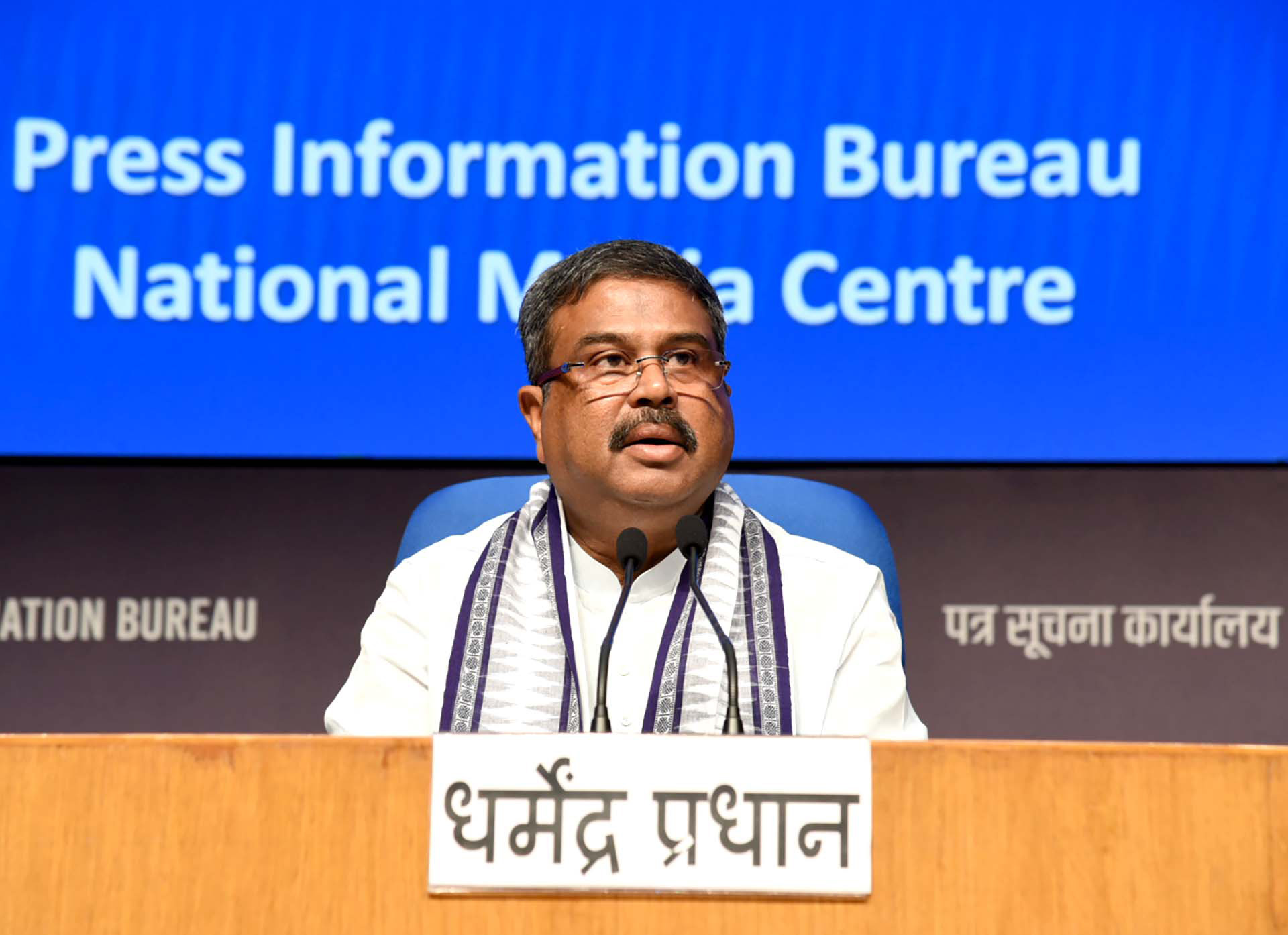
Union Education Minister Dharmendra Pradhan has announced his resignation following intense public outcry and political pressure regarding the NEET paper leak scandal. His departure coincides with complex governmental negotiations involving the Cockroach Janta Party and widespread demands for systemic educational reform.
In-Depth Analysis
In a significant political development, Union Education Minister Dharmendra Pradhan has officially resigned from his ministerial post. This decision follows weeks of escalating turmoil surrounding the National Eligibility-cum-Entrance Test (NEET) paper leak controversy, an issue that has sparked nationwide protests and intense scrutiny of the current administration's handling of competitive examinations. The resignation comes at a critical juncture as the central government attempts to navigate high-stakes negotiations with the Cockroach Janta Party (CJP).
The NEET Controversy
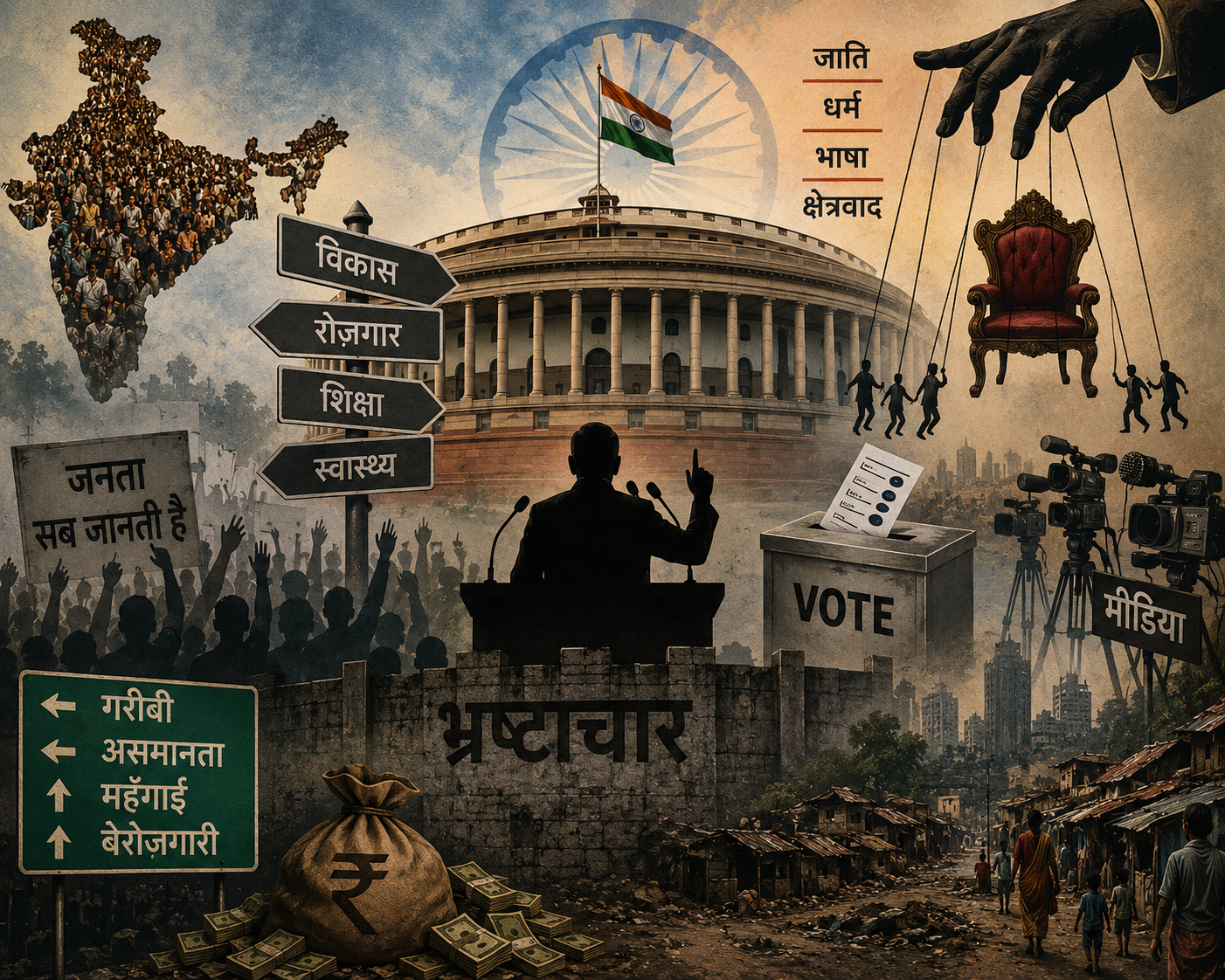
The NEET examination, which serves as the gateway for thousands of students aspiring to medical education across India, has been marred by allegations of systemic irregularities. Reports of question paper leaks and discrepancies in merit lists led to widespread student-led demonstrations in major urban centers. Critics have long argued that the administrative machinery overseeing these exams lacked the necessary transparency and accountability to protect the interests of vulnerable students. The resignation of Pradhan is viewed by many political observers as a response to the immense pressure from civil society and student unions demanding ministerial responsibility for the lapse.
Government-CJP Negotiations
The political landscape has become increasingly volatile as the government enters its third round of talks with the Cockroach Janta Party (CJP). The CJP, under the leadership of founder Abhijeet Dipke, has positioned itself as a vocal critic of the educational status quo. Following the announcement of Pradhan's departure, reactions from the CJP leadership were notably emotional. Parents of Abhijeet Dipke were captured on camera expressing profound relief, suggesting that the party views this cabinet change as a victory for their movement. These developments have complicated the government's efforts to finalize a cohesive policy response to the ongoing educational crisis.
Calls for Systematic Reform
Beyond the immediate political fallout, experts are now calling for a complete overhaul of the examination architecture. Key areas identified for reform include:
- Technological Integration: Utilizing advanced encryption and secure digital distribution methods for question papers to prevent physical leaks.
- Administrative Oversight: Establishing an independent, non-partisan regulatory body to oversee the conduct of national entrance exams, moving away from centralized ministerial control.
- Transparency Protocols: Implementing real-time audit trails during the examination process to ensure that merit remains the sole criterion for selection.
Impact on National Policy
The exit of Pradhan marks a turning point in the current administration's education agenda. While the government maintains that negotiations with the CJP are proceeding with the intent to stabilize the sector, the path forward remains uncertain. Public sentiment remains highly charged, with students across the nation demanding systemic changes that go beyond the replacement of individual ministers. As the government seeks a path to restore credibility to the national testing system, the focus will likely remain on ensuring that the upcoming academic cycles are shielded from the corruption and technical failures that defined this recent chapter in the country's education policy.
How do you feel about this story?
Discussion
No comments yet. Be the first to share your thoughts.
Join the discussion
Sign in to share your thoughts on this story.