
BNN Summary
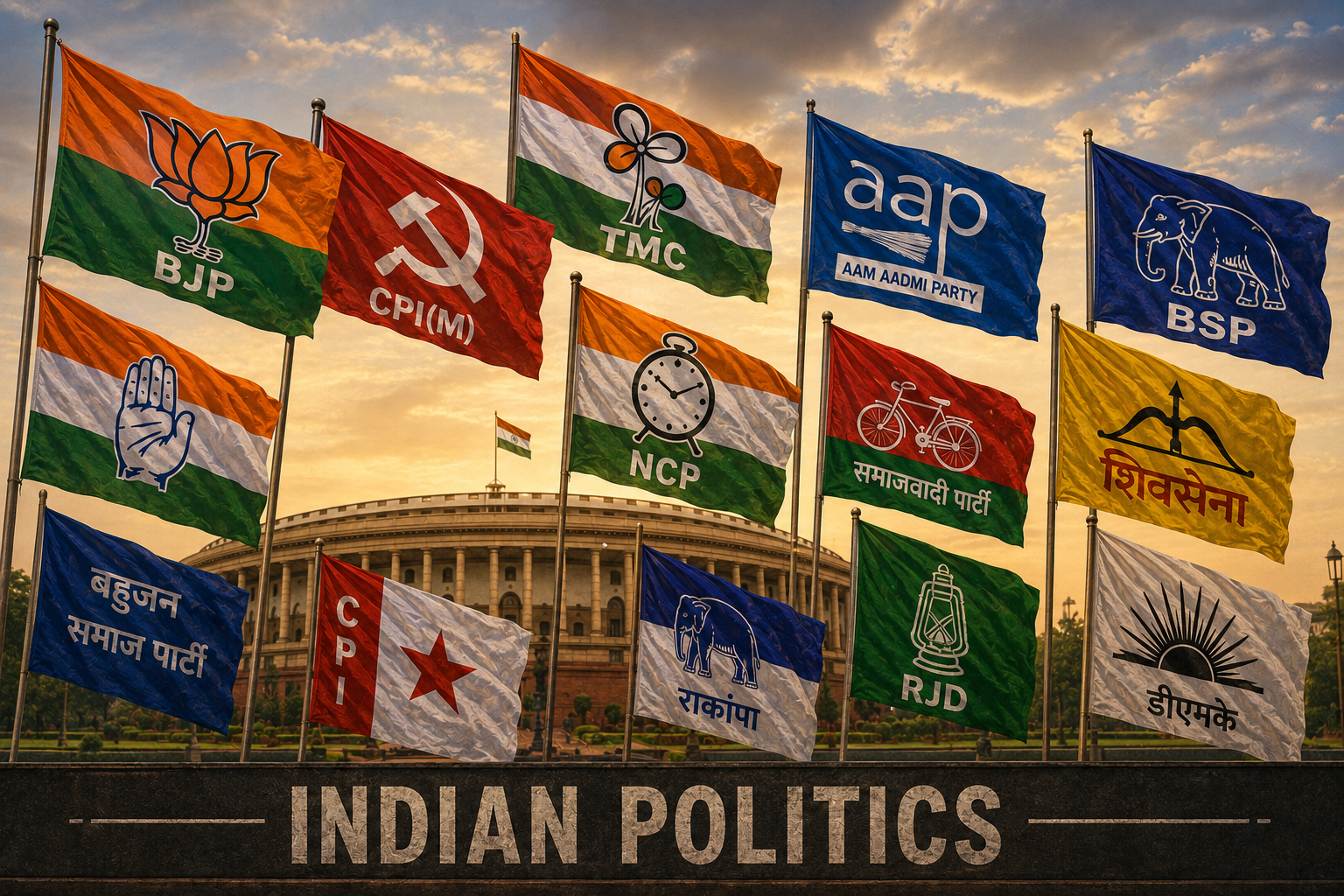
The Shiv Sena (Uddhav Balasaheb Thackeray) faction has initiated disqualification proceedings against six of its Members of Parliament for reportedly boycotting a crucial party meeting. This move has triggered widespread speculation of potential defections to the rival Eknath Shinde-led Shiv Sena, further deepening the rift within the party on its 60th foundation day. Show-cause notices have been issued, demanding explanations from the absent MPs, setting the stage for another legal and political battle.
In-Depth Analysis
The Shiv Sena (Uddhav Balasaheb Thackeray) faction, led by former Maharashtra Chief Minister Uddhav Thackeray, has taken decisive action against six of its Members of Parliament (MPs), initiating disqualification proceedings after they reportedly skipped a mandatory party meeting. This significant development has ignited fresh speculation about potential defections to the Eknath Shinde-led Shiv Sena faction, further exacerbating the ongoing political struggle between the two groups. The absence of these six MPs from a whip-mandated gathering prompted the UBT faction to issue show-cause notices, demanding immediate explanations for their non-attendance.
The internal turmoil comes at a particularly sensitive time for the Shiv Sena, as its 60th foundation day celebrations were largely overshadowed by the brewing crisis. While both the Uddhav Thackeray-led Shiv Sena (UBT) and the Eknath Shinde-led Shiv Sena held separate events in Mumbai to commemorate the milestone, the focus remained squarely on the potential breaking of ranks by these six MPs. This move by the UBT faction is seen as an attempt to assert authority and prevent further erosion of its legislative strength, following the significant split that occurred in 2022.
The 2022 schism saw a large number of Shiv Sena legislators, including then-Chief Minister Eknath Shinde, defect to form an alliance with the Bharatiya Janata Party (BJP), ultimately leading to the collapse of the Maha Vikas Aghadi (MVA) government. Since then, both factions have been locked in a bitter struggle over the party's name, symbol, and legacy, with the Election Commission of India eventually recognizing the Shinde faction as the 'real' Shiv Sena for certain purposes. The current action against the six MPs underscores the continued fragility and internal divisions plaguing the once-unified political entity.
Disqualification proceedings in India are governed by the Tenth Schedule of the Constitution, commonly known as the anti-defection law. This law is designed to prevent political defections that could destabilize governments. Under the law, a member of a legislative body can be disqualified if they voluntarily give up membership of their political party or vote or abstain from voting in the House contrary to any direction issued by their political party without obtaining prior permission. The first step, the issuance of a show-cause notice, requires the absent MPs to explain their actions, following which the party leadership will decide whether to proceed with a disqualification petition to the Speaker of the Lok Sabha. The Speaker then holds the ultimate authority to decide on the disqualification plea, a process that can often be lengthy and subject to legal challenges.
The political implications of this move are substantial. For the Shiv Sena (UBT), a successful disqualification would send a strong message to any other wavering members, reinforcing party discipline. However, it also carries the risk of further alienating these MPs and potentially pushing them directly into the arms of the Shinde faction, should the disqualification process fail or be overturned. For the Eknath Shinde-led Shiv Sena, gaining these MPs, either through defection or by them winning subsequent by-elections if disqualified, would further consolidate its position and reduce the UBT faction's influence in the Parliament.
The incident highlights the ongoing 'season of splits' within the Shiv Sena, a party founded on strong ideological principles and regional pride, now grappling with persistent internal strife. The outcome of these disqualification proceedings will undoubtedly have significant ramifications for the political landscape in Maharashtra and potentially impact the balance of power in the national parliament, as both Shiv Sena factions continue their struggle for dominance and the preservation of their respective identities.
How do you feel about this story?
Discussion
No comments yet. Be the first to share your thoughts.
Join the discussion
Sign in to share your thoughts on this story.