
BNN Summary
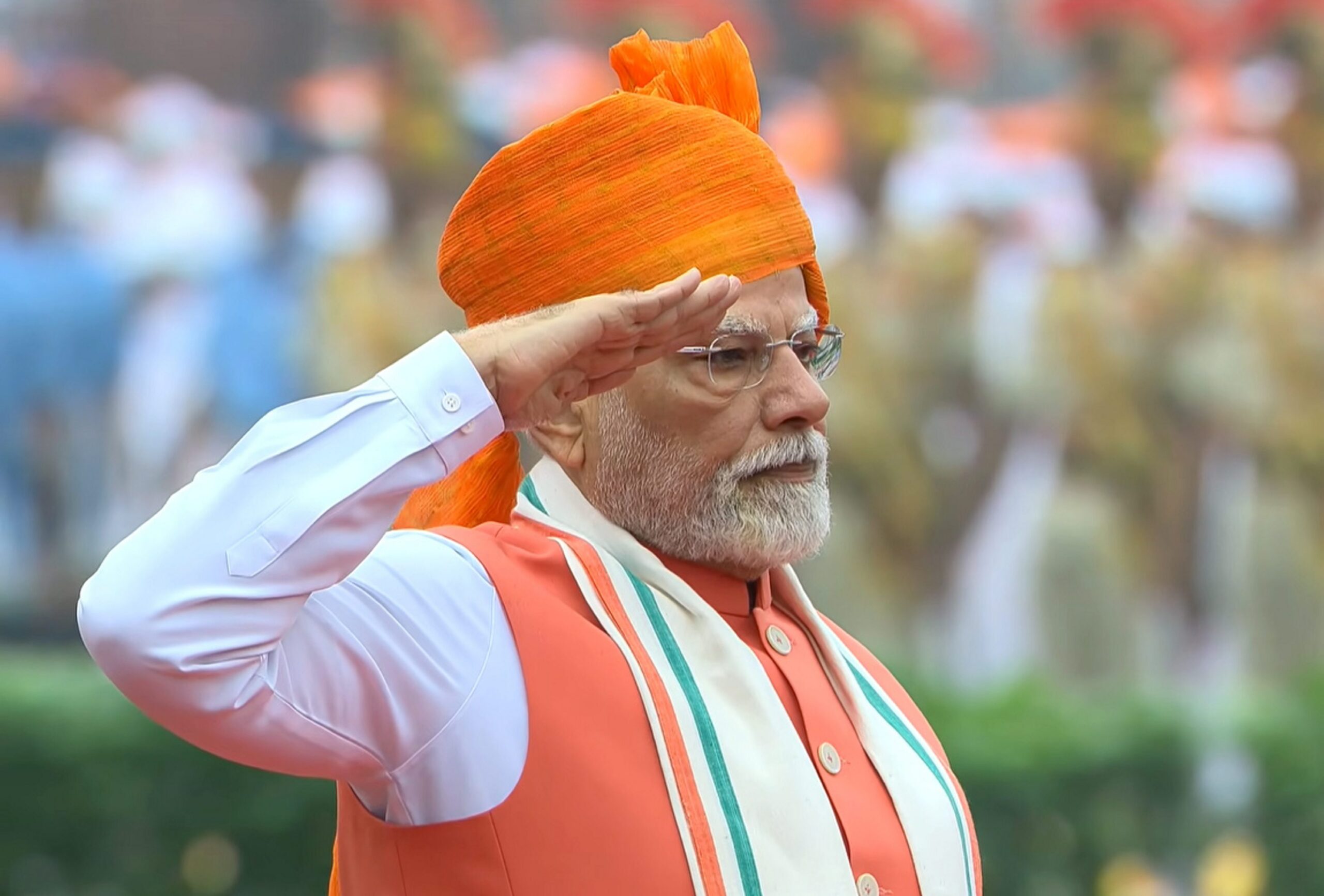
Former Madhya Pradesh Chief Minister Shivraj Singh Chouhan unveiled his new book, "Apnapan: My Experiences With Narendra Modi," highlighting Prime Minister Modi's early recognition of technology's power and his pioneering introduction of email culture within the BJP. The launch, attended by political stalwarts, underscored Modi's forward-thinking approach to party communication and organization, setting a new precedent for political engagement in India.
In-Depth Analysis
In a significant political and literary event held recently, former Madhya Pradesh Chief Minister Shivraj Singh Chouhan launched his much-anticipated book, "Apnapan: My Experiences With Narendra Modi." The book, offering an intimate perspective on Prime Minister Narendra Modi's leadership, was formally unveiled by esteemed figures including former Vice-President M. Venkaiah Naidu and former Prime Minister H.D. Deve Gowda, among a prominent gathering of BJP's "who's who."
During the launch, Chouhan lauded Prime Minister Modi's astute understanding of technology's transformative potential, particularly within the realm of political organization. He recounted how Modi, long before the widespread digital revolution, introduced an "email culture" within the Bharatiya Janata Party (BJP). This pioneering move, as Chouhan explained, was instrumental in modernizing the party's internal communication channels and enhancing its efficiency across various hierarchical levels.
This embrace of digital communication represented a significant paradigm shift for a major political party in India. Prior to such initiatives, political correspondence often relied on traditional methods, leading to potential delays and inefficiencies in information dissemination. By integrating email into the party's operational framework, Modi fostered a more streamlined, rapid, and transparent communication system. This early adoption not only improved coordination among party workers and leaders but also laid the groundwork for the BJP's later sophisticated digital outreach strategies, which have become a hallmark of its electoral campaigns.
Chouhan's narrative suggests that Modi’s foresight in recognizing and leveraging technological advancements was a crucial element of his leadership style and a contributing factor to the BJP's organizational strength. This move transcended mere administrative convenience; it instilled a culture of digital literacy and responsiveness within the party cadres, preparing them for an increasingly interconnected world. It allowed for quick dissemination of directives, policy discussions, and feedback loops, fostering a more dynamic and agile political machine.
"Apnapan: My Experiences With Narendra Modi" promises to delve deeper into such lesser-known aspects of the Prime Minister's career and leadership. The book, as its title suggests, aims to provide personal anecdotes and insights from Chouhan's long association with Modi, painting a comprehensive picture of his personality, decision-making processes, and strategic vision. Such accounts from close associates are invaluable for understanding the trajectory of a leader who has profoundly impacted Indian politics.
The launch event itself was a testament to the political gravitas of both Prime Minister Modi and the book's author. The presence of former Vice-President Naidu and former Prime Minister Gowda underscored the cross-party respect and national significance of the subject matter. It also highlighted the unity and camaraderie within the BJP, as senior leaders congregated to celebrate a colleague's literary endeavor that sheds light on their party's most prominent figure. The book is expected to offer a unique lens through which political analysts, party members, and the general public can better comprehend the formative years and strategic decisions that shaped Narendra Modi's rise and the BJP's contemporary dominance.
In essence, Chouhan's book and his revelations about Modi's tech-savvy leadership offer crucial context to the BJP's success story. It underscores the belief that understanding and adapting to the evolving technological landscape is not just a corporate necessity but a vital component for effective political governance and party management in the 21st century. The "email culture" introduced by Modi within the BJP serves as a prime example of how foundational organizational changes can pave the way for broader strategic triumphs.
How do you feel about this story?